Table Of Content
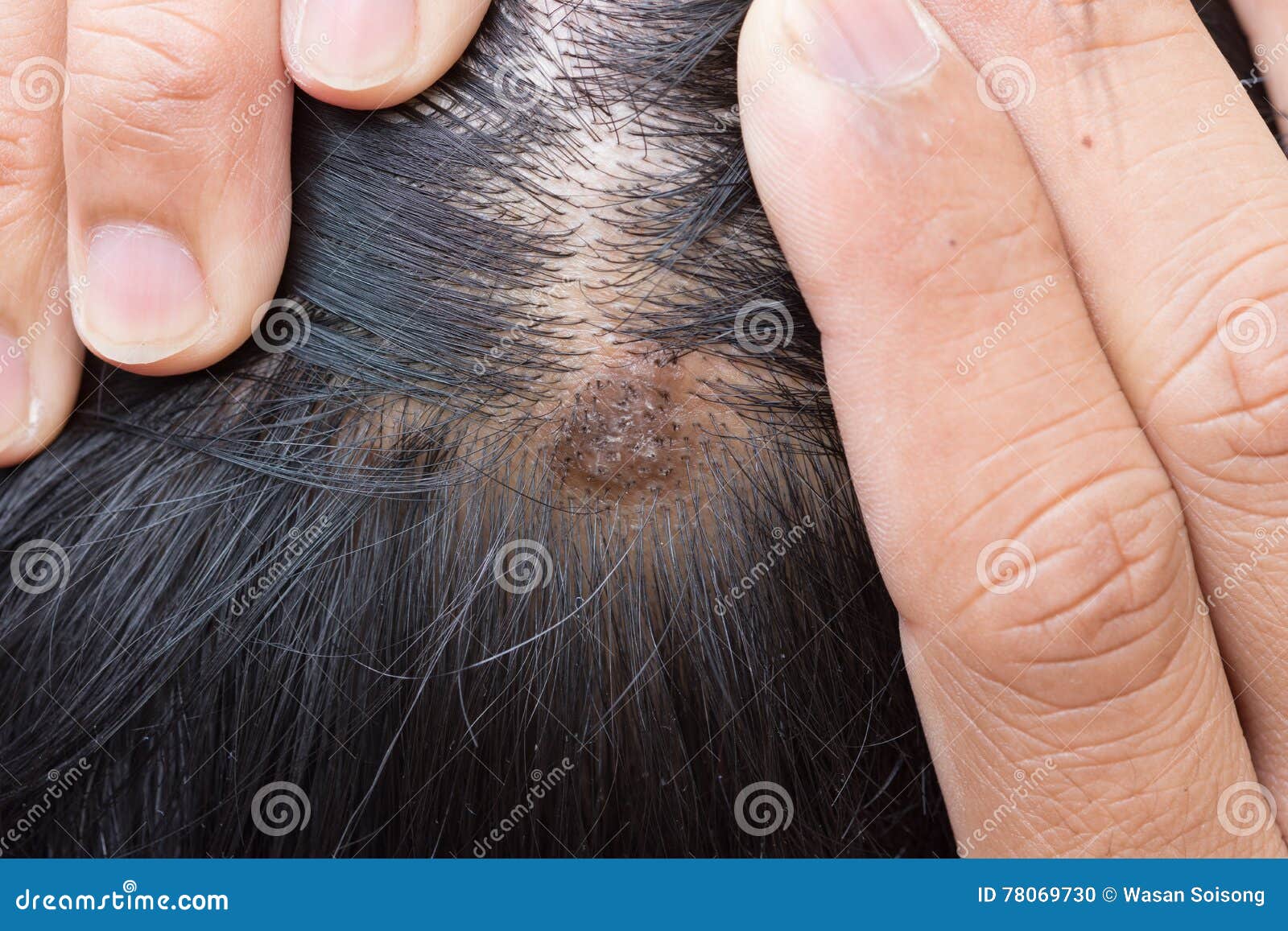
Seborrheic dermatitis occurs in locations of the body that have many sebaceous glands (oil glands), such as the head and sides of the nose. There are plenty of conditions that can cause an itchy scalp. Seborrheic dermatitis (commonly known as dandruff), for example, affects oily areas like the scalp, according to the NLM. About 70% of seborrheic dermatitis cases involve the scalp5.
Get medically-reviewed eczema resources delivered to your inbox
They all cause red, itchy, and often cracked skin, but there are also different symptoms for each type. Eczema can come and go over time, but there is currently no cure that guarantees eczema won’t come back. If you are having symptoms of scalp eczema, it is important to see a doctor or dermatologist to confirm that it is eczema.
Eliminating Triggers
Inflammation caused by atopic dermatitis can cover large areas of the body, such as the chest, or be limited to a few small spots. Atopic dermatitis most often occurs where the skin flexes — inside the elbows, behind the knees and in front of the neck. This can help tame itchiness, which hopefully allows you to scratch much less to reduce further irritation! You can do this by placing an ice pack or cold, wet cloth on your skin. (Just be sure to wrap the ice pack in a thin towel or something similar first). This may seem obvious, but try your best to avoid products you know irritate your scalp—yes, even if you really love them.
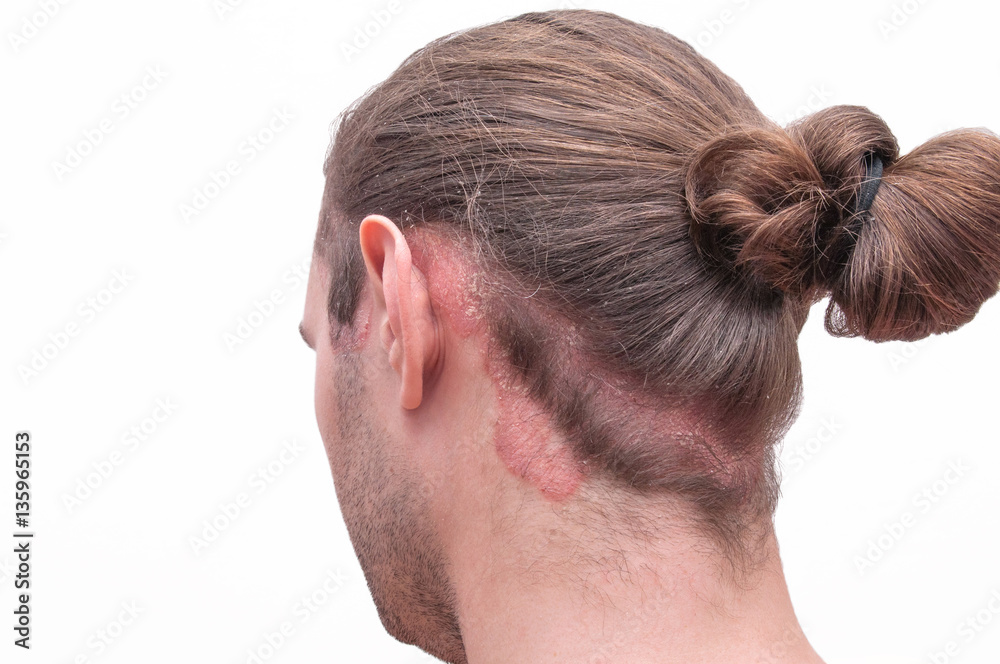
Atopic Dermatitis Linked to Eating Disorders
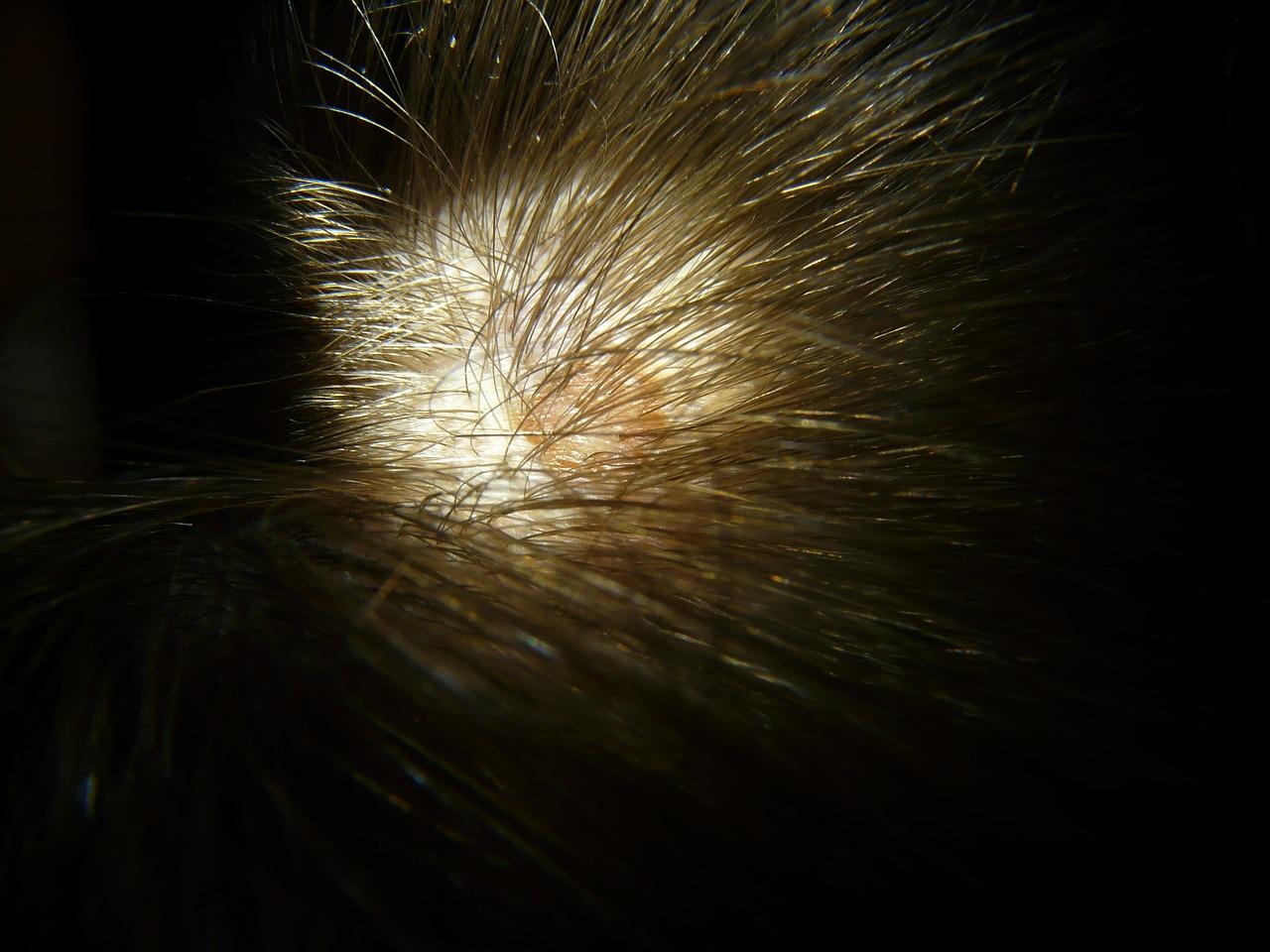
In a similar vein to gut health, an out of whack scalp microbiome could be having a detrimental effect on the health, condition, and general brilliance of your hair. They will also have remissions (times when their symptoms get better). In more serious cases, eczema inflames skin all over your body and causes relentless itching that can be hard to ignore. In addition, you may scratch in your sleep, causing cuts and tears that lead to regular infection.
The allergy can therefore be caused by indirect contact (allergen carried through the air or transferred by the hand touching another area of the body, etc.). Sesame Care Dermatologist crafts personalized skincare plans tailored to your skin type, concerns, and goals, ensuring a regimen that nurtures and revitalizes your complexion. Eating a balanced diet of fruits, vegetables and omega-3 fatty acids could help support overall skin health, says Dr. Goldman. Staying hydrated can also support overall skin moisture, which might aid irritated skin.
Home remedies for scalp eczema
If eczema is limited to the head, these itchy red patches are the result of an allergic reaction. However, if the condition persists into childhood and adulthood, specific treatment is usually needed. A doctor or dermatologist may prescribe a topical medication or recommend an effective over-the-counter option. Infants up to 3 months and adults ages 30 to 60 are at a higher risk of developing scalp eczema. The exact cause of eczema is unknown, although it’s believed to be caused by genetic and environmental factors that decrease the skin’s protective barrier and cause inflammatory reactions.
Next, a biopsy may be performed to rule out other types of skin disorders (such as psoriasis). A biopsy is often performed if the affected area of the scalp or skin does not respond favorably to treatment of seborrheic dermatitis. There is no cure for scalp eczema or seborrheic dermatitis, but medications can help reduce and prevent symptoms. If scalp eczema extends onto the hairline and face, different strengths of topical steroid will be required, as less potent topical steroids are advised for the face. If the scalp is inflamed and scaly, topical steroids combined with salicylic acid can be helpful (for example, Diprosalic Scalp Application). If scalp eczema is infected, oral antibiotics may need to be prescribed.
Lotion emollients are advised as they mix well with water, but they may leave the hair slightly greasy and limp, especially if it is fine. Conditioners can also irritate the scalp, so are best avoided. Try to avoid shampoos and hair products that are fragranced, as these may cause irritation and possibly allergy. Use hair dryers on a cool setting; hot air will increase dryness and itch.
Dermatological Dilemma: Unmasking the Benzene Menace in Our Products - Dermatology Times
Dermatological Dilemma: Unmasking the Benzene Menace in Our Products.
Posted: Thu, 07 Mar 2024 08:00:00 GMT [source]
Acid Reflux Drugs May Heighten the Risk of Migraine Attacks and Severe Headaches
These treatments are easy to use and might also prevent flares. An imbalance of microbes on the scalp may cause seborrheic dermatitis. Malassezia is a yeast (fungus) that usually lives on parts of your skin with many sebaceous glands. Some evidence suggests that seborrheic dermatitis symptoms occur when there's an overgrowth of Malassezia.
When it comes to weaves and extensions, “ask your stylist to avoid placing [them] too close to the scalp to reduce irritation,” Dr. Negbenebor says. Try your best to cut back on how often (and how much) you use hair spray, gel, and pomade, as an excess of products on your scalp can lead to flare-ups. “Use styling tools with heat sparingly and, if you do, use them at lower temperatures,” Dr. Negbenebor says. For example, if you are allergic to a preservative like methylisothiazolinone, you will need to check the label on your shampoo to make sure that this tricky name is not on the ingredients list. Other substances can also trigger a reaction, such as nail polish, for example, which may come into contact with the head through scratching with your hands.
Hairstyles like braids, cornrows, crochet braids, locs, and weaves all pull at the scalp and cause tension, which can damage your hair follicles. It's important to hydrate the skin with a moisturizer that is hypoallergenic. Brooke Helton is a freelance health and wellness writer passionate about holistic living. She loves creating content that empowers others to take charge of their health.
Should People With Seborrheic Dermatitis “No-Poo”? - Allure
Should People With Seborrheic Dermatitis “No-Poo”?.
Posted: Thu, 19 Oct 2017 07:00:00 GMT [source]
If you have successfully identified the triggering agent, such as a hair dye for example, simply avoid any hair dyes containing the same allergen in order to prevent future allergic reactions. The same allergen, however, can be found in various products, which can make total avoidance difficult. A dermato-allergologist will be able to advise you on how to track down and avoid the allergen.
Lotion, mousse or gel preparations may be the most comfortable options for the scalp – for example, Elocon lotion, Bettamousse or Synalar gel. For young children, a mild topical steroid cream, such as 1% hydrocortisone, may be prescribed for a short treatment burst. For older children, a moderate topical steroid, such as Eumovate, may be prescribed. It is important to use topical steroids for a prescribed treatment course – usually up to 2 weeks. For more information, see National Eczema Society’s factsheet on Topical steroids.
Consistency and patience are key, so stick to your tailored routine and consult with a dermatologist if you have persistent or severe symptoms. Eczema is often triggered or worsened by reactions to harsh hair- or skin-care products. It’s possible for anyone to get this type of reaction—with or without eczema. But if you do have eczema, you are more susceptible to these reactions and they can trigger your eczema symptoms.
Lifestyle adjustments, such as managing stress and using gentle hair care products like Just Shampoo by The Better Scalp Company are also essential. Knowing when to seek professional help for scalp eczema is crucial in managing the condition effectively. If you notice persistent or worsening symptoms despite following a gentle hair care routine and using recommended products, it may be time to consult a dermatologist. Signs that your condition may require more advanced intervention include severe itching, inflammation, oozing or crusting of the scalp, and significant hair loss. In contrast, contact dermatitis on the scalp arises from direct contact with substances provoking an allergic reaction or irritation in sensitive individuals.


No comments:
Post a Comment